


.webp)
Blood & Urine Tests for Pets in Stroud & Stonehouse
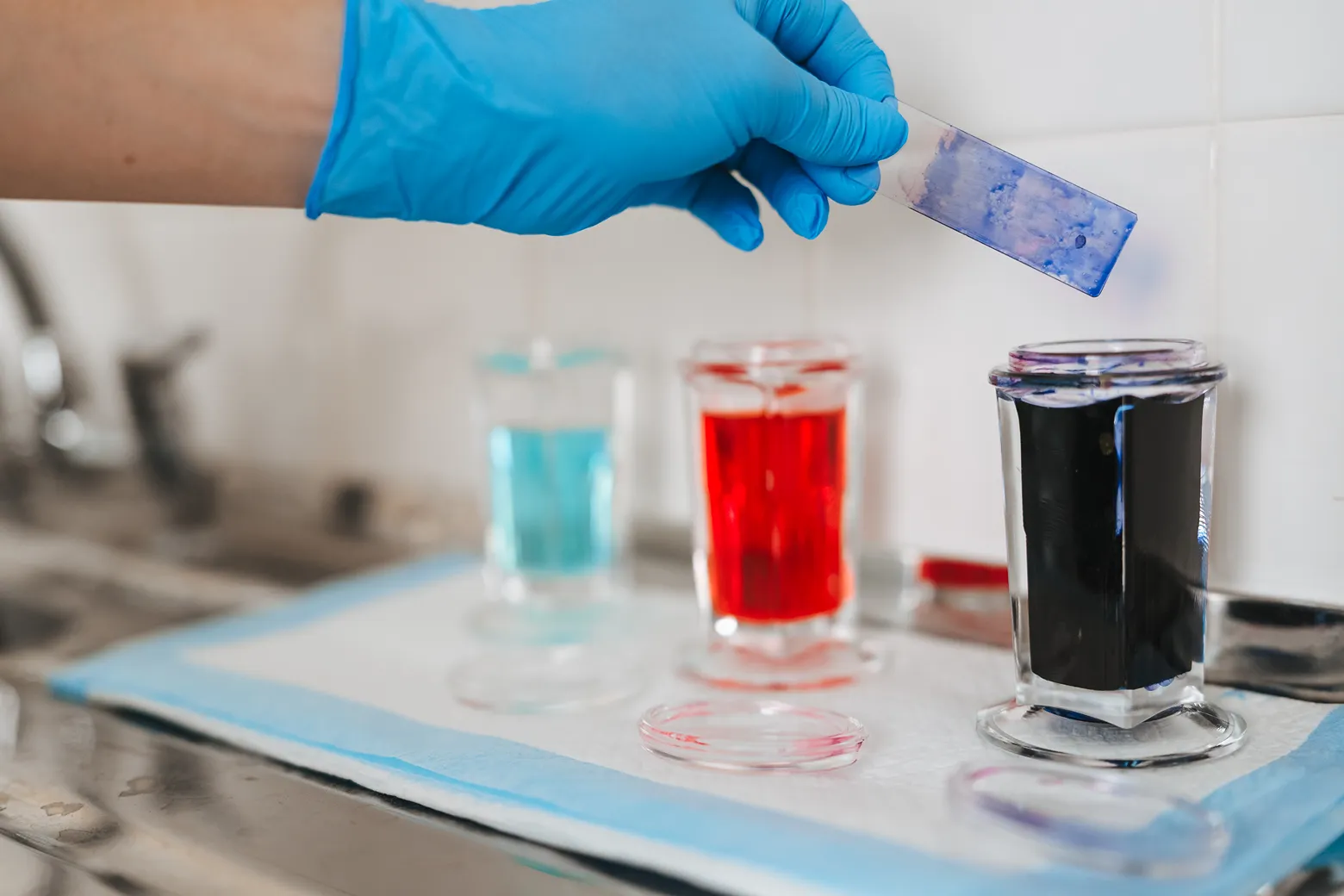
Blood and urine tests help us look beneath the surface, often detecting health issues before obvious symptoms appear. Quick, minimally invasive and highly informative, they play an important role in diagnosing illness and monitoring your pet's overall health.
What Can a Blood Test Tell Us?
A single blood sample can carry a remarkable amount of information. Depending on which tests we run, we can assess how your pet’s organs are functioning, whether an infection is present, how their immune system is responding and much more. Here is what each type of test looks for:
Routine blood tests (Haematology)
Routine blood tests look at the cells that make up your pet’s blood: the red blood cells, white blood cells and platelets.
For example, low levels of red blood cells (a condition known as anaemia), can cause lethargy, pale gums and weakness. Changes in the white blood cell count can indicate infection, inflammation or, in some cases, more serious disease. Platelets play an important role in clotting; abnormal levels can point to bleeding disorders or immune conditions.
This type of test is useful both as a routine check and as a starting point when a pet is unwell. It gives us a broad picture of how your pet's body is functioning at a cellular level.
Diagnostic pet blood tests (Biochemistry)
Diagnostic blood tests go deeper, looking specifically at how the internal organs are performing. We assess kidney and liver function, blood glucose levels, protein concentrations, electrolytes and, where relevant, hormone levels.
These tests can reveal early signs of kidney or liver disease or the effects of long-term medication. Blood glucose helps us diagnose and monitor diabetes, a condition more common in middle-aged and older pets than many owners realise. Thyroid hormones are often checked as hyperthyroidism is a common condition in older cats and very manageable when caught early.
These tests are valuable for investigating a pet that is unwell, monitoring known conditions and screening senior pets who may not yet be showing obvious signs of age-related change.
Pre-anaesthetic blood tests
Before any procedure requiring a general anaesthetic, we sometimes recommend blood testing to check how the kidneys and liver are functioning. These are the two organs responsible for processing anaesthetic drugs, so understanding their condition allows us to choose the safest protocol and adjust drug dosages accordingly.
Pre-anaesthetic testing is simply a way of making sure we have as complete a picture as possible before we proceed. If something comes back that we need to factor in, we would much rather know in advance.
What Can a Urine Test Tell Us?
Urine is one of the simplest samples to collect and can give us lots of information. It can be underestimated as a diagnostic tool. We use urine analysis to:
- Detect urinary tract infections
- Assess kidney function or renal decline
- Screen for diabetes
- Identify crystals and bladder stones before they develop
- Check for protein loss through the kidneys
- Monitor pets on long-term medication
For some tests, we can collect the sample at the practice. Others can be collected by you at home and brought in for analysis. We will advise on which approach suits your pet’s situation.
When Do We Recommend Testing?
Your pet is unwell. Blood and urine tests are usually the fastest route to understanding what is happening and why. They can confirm a diagnosis quickly or rule out several possible causes at once, which helps us get to the right treatment sooner.
Your pet is due for a procedure under general anaesthetic. Pre-anaesthetic testing can be part of how we keep your pet safe during surgery.
Your pet is on long-term medication. Many treatments require regular monitoring to confirm they are still doing what they should and not placing unnecessary strain on the organs over time.
Your pet is a senior. Older pets can benefit from annual blood and urine screening even when they seem perfectly well. Early detection gives us the best chance of managing any changes before they become significant.
Something seems slightly off. If you have noticed a change in your pet, even something subtle, it is always worth investigating. Owners know their pets well and that instinct is worth acting on.
In-House and External Testing
Many of our blood tests are processed in-house, meaning we can often have results back on the same day or within a few hours of the sample being taken. Where tests are sent away, we will always tell you when to expect them and contact you as soon as they arrive.
Why Choose Bowbridge Vets for Blood and Urine Testing?
Results when you need them. In-house testing means we can often give you answers on the same day, which matters when your pet is unwell and you are worried.
Testing that fits the whole picture. We look at results alongside your pet’s clinical examination, their history and your own observations.
Clear explanations of what we find. We will talk you through the results in plain English. No jargon, no assumptions about your prior knowledge.
Independent practice, no targets. We recommend testing when it will genuinely inform what we do next. We do not run unnecessary tests.
Nearly 60 years of community care. We have been looking after Stroud and Stonehouse pets since 1967. That experience shapes how we interpret results and how we talk to owners about them.
Why Choose Bowbridge Vets For Diagnostics?
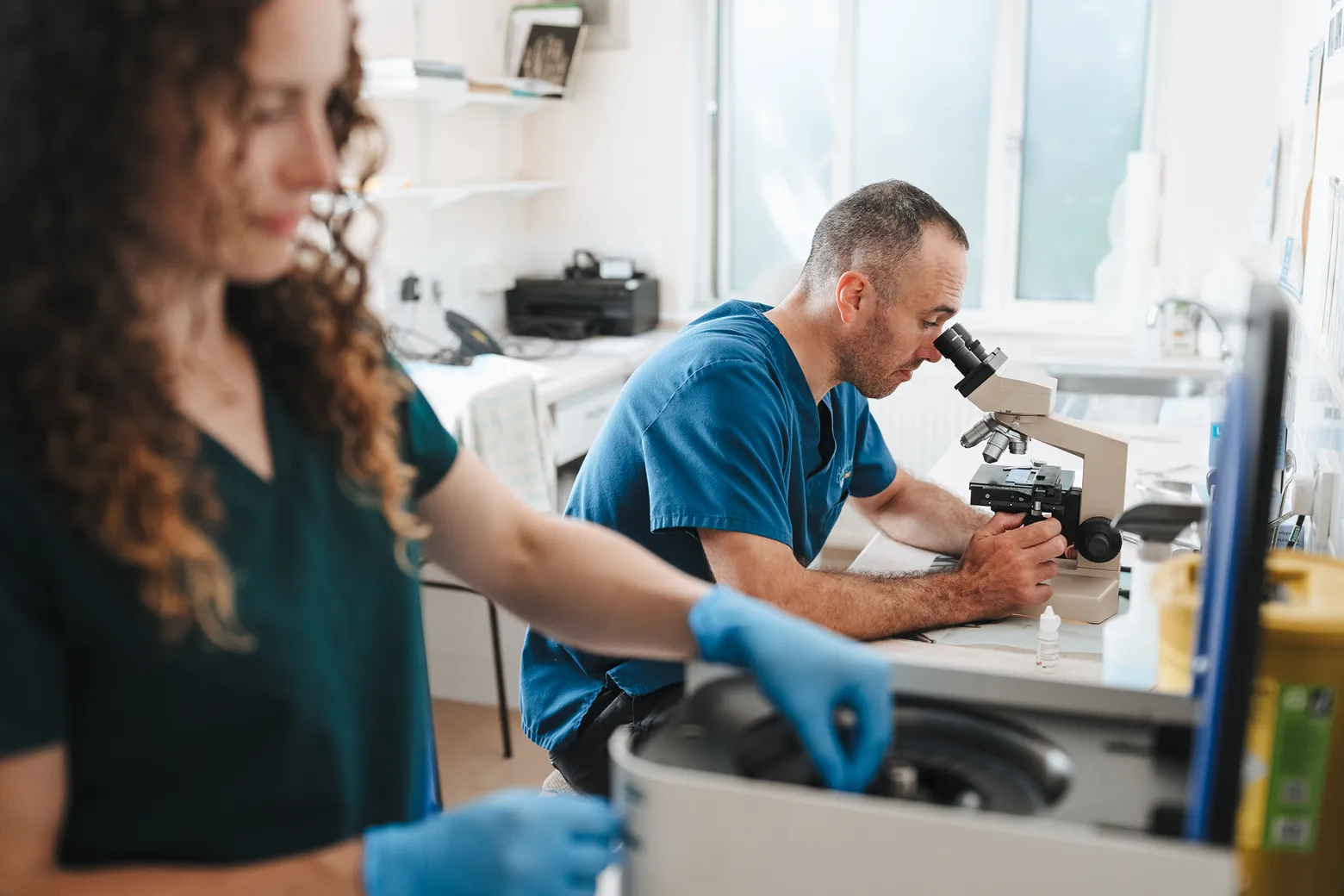
Getting to an answer quickly and accurately matters, especially when your pet is unwell. Our in-house diagnostic equipment means we can run blood tests, take X-rays and carry out ultrasound scans without sending you elsewhere. Also, results are usually available on the same day.
We explain what we find in plain English, before we discuss next steps. We recommend what is clinically appropriate for your pet’s individual situation. When we recommend a test, you will always know exactly why.
We have been caring for the pets of Stroud and Stonehouse since 1967. That experience informs not just how we practise clinically, but how we listen, how we communicate and how we think about the pets in our care.
Frequently Asked Questions
My pet seems perfectly healthy. Why would they need a blood test?
Even in a pet that appears well, blood tests can reveal changes that are not yet causing visible symptoms. Kidney function, liver health and hormone levels can all shift significantly before you would notice any change in your pet's behaviour.
Also, establishing a baseline for your pet while they are healthy is genuinely valuable. It gives us something to compare against if they become unwell in the future and means that subtle changes are much easier to spot.
How much blood does the vet actually take?
Very little. The volume needed for most blood panels is small, typically a few millilitres which is taken quickly from a vein in the leg or neck. Most pets barely react and the whole process takes less than a minute. We use the smallest effective sample size and make the experience as calm as possible.
Will my pet need to fast before a blood test?
For some tests, yes. Fasting for a period beforehand helps give more accurate readings for certain markers, particularly blood glucose and some proteins. We will let you know when you book whether your pet needs to fast, for how long and whether water is still permitted beforehand.
How do I collect a urine sample at home?
We will give you a clean collection pot and advise you on the best approach for your pet. For dogs, keeping them on a lead when they're first let out for their morning wee works well. Cats can be trickier: we often recommend replacing litter temporarily with a non-absorbent material for this purpose. If home collection is proving difficult, we can arrange to take the sample at the practice instead.
How quickly will I get results?
Tests processed in-house are usually available the same day. Samples sent to an external laboratory typically return within a few days. Biopsy and culture results take longer, typically five to seven working days. We will contact you as soon as they are back to talk through what they mean.
Can blood tests detect cancer in pets?
Blood tests can provide important clues when cancer is suspected. Certain markers can indicate organ involvement, anaemia associated with chronic disease or changes in white blood cell populations that warrant further investigation. Blood tests alone cannot definitively diagnose most cancers, but they are an important part of the broader picture alongside imaging, biopsy and clinical assessment.
My pet is elderly. Should they have routine blood tests?
Ideally yes. Older pets are more likely to develop conditions that change slowly and quietly, such as kidney disease, liver changes or thyroid imbalances. Catching these early, when they are still very manageable, makes a real difference to quality of life and long-term outcome.
My pet is on long-term medication. How often should their blood levels be checked?
This depends on the medication and the condition being treated, but every six to twelve months is a reasonable starting point for many long-term treatments. Some medications can gradually affect kidney or liver function over time, so regular monitoring is not just a precaution but an important part of responsible ongoing care. We will advise on the appropriate frequency when a long-term prescription is established and flag it if we think a check is overdue.