


.webp)
Vet Nurse Clinics in Stroud & Stonehouse
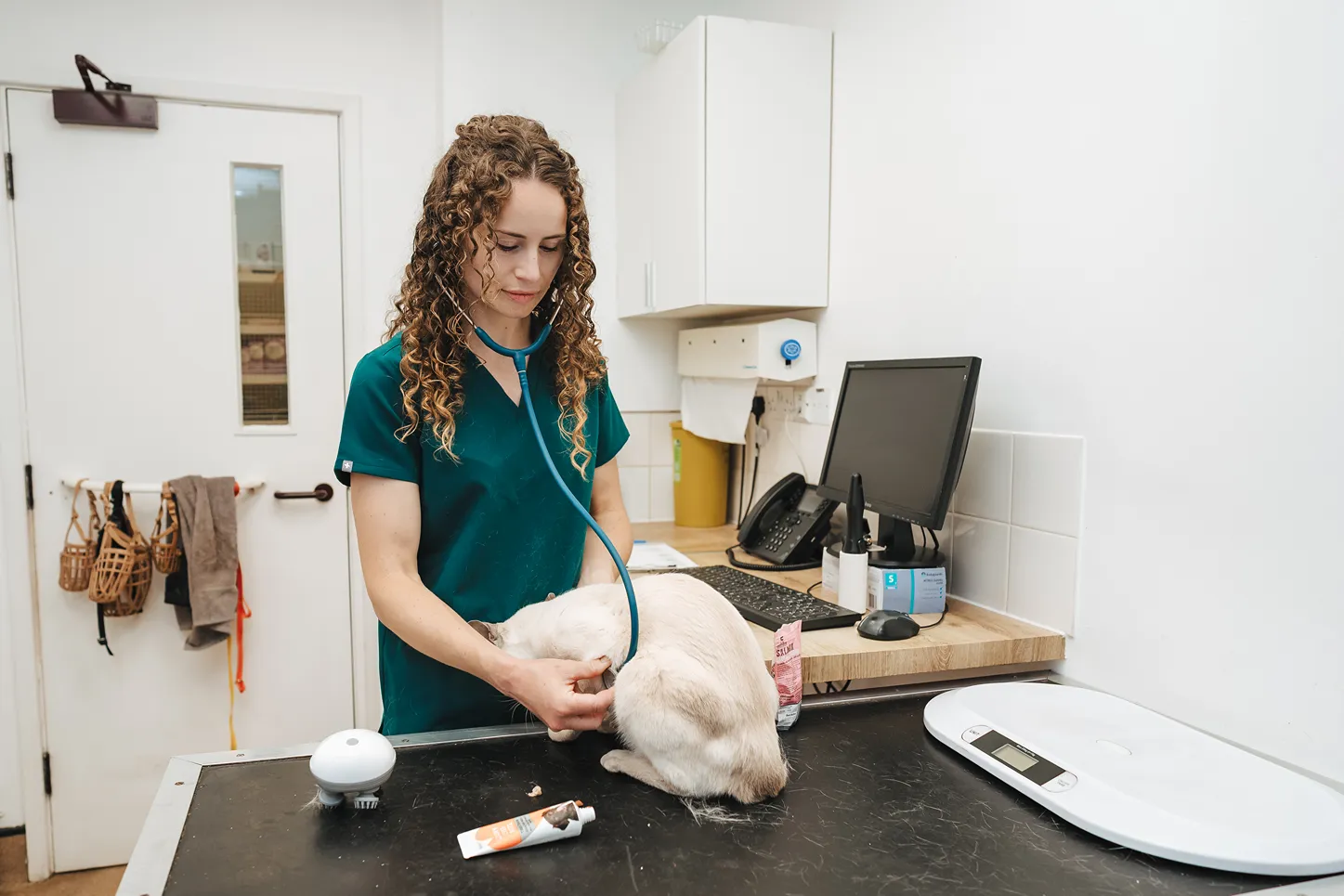
Our Registered Veterinary Nurses (RVNs) play a vital role in your pet's care, from monitoring anaesthetics and caring for inpatients to taking blood samples and running laboratory tests. Their expertise and attention to detail help ensure every pet receives the highest standard of care.
When might I see a Vet Nurse?
An appointment with one of our Registered Veterinary Nurses will typically cover things like Librela or Solensia injections, second vaccinations, nail clipping, post operative checks and weight management.
Vet nurse clinics are not a lesser alternative to seeing a vet. For many needs, they are actually the most appropriate solution, offering more focused time and a more relaxed conversation than a standard appointment might allow. Our nurses know our clients and their pets well, so you’ll see a familiar and trusted face.
What can a vet nurse clinic appointment cover?
Our vet nurse clinics cover a wide range of needs, including:
- Weight checks and nutrition advice. We monitor your pet’s weight over time, assess their condition and advise on diet. This is particularly useful for pets who are overweight, underweight or managing a health condition affected by nutrition.
- Dental health assessments. Our nurses can assess the condition of your pet’s teeth and gums, guide you on home dental care and recommend products. They will flag anything that needs a vet’s attention.
- Chronic Injections. For pets on monthly injections for arthritis (like Librela and Solensia) or skin conditions (like Cytopoint or immunotherapy).
- Post-operative checks. After any surgical procedure, vet nurse clinics are used for suture checks, wound assessments and recovery monitoring. This follow-up is included as part of your post-operative care.
- Puppy and kitten rechecks. When your new puppy or kitten has already seen a vet for its first vaccination the second vaccination and weight check can be done by one of our nurses.
- Nail clipping and practical care. Some pets find nail clipping difficult at home. Our nurses can take care of it safely and advise on how to make this an easier process in the future.
The role of Registered Veterinary Nurses
Registered Veterinary Nurses in the UK are regulated professionals. Our nursing team is experienced, knowledgeable and deeply committed to the pets in their care. Our nurses are not simply there to handle practical tasks between vet appointments. They bring clinical knowledge, genuine care and consistency to the practice and many of our long-standing clients regard them as a cornerstone of the Bowbridge Vets family.
Why book a vet nurse clinic at Bowbridge Vets?
Our vet nurses are a genuinely important part of how we look after the pets of Stroud & Stonehouse. They’re a skilled and essential part of our team who have both the knowledge and the time to make a real difference to your pet's care.
- Qualified, registered professionals. All of our nurses hold recognised veterinary nursing qualifications and are registered with the RCVS.
- More time for the conversation you need. Vet nurse clinics are booked for a specific purpose, which means the appointment can be more focused and than a general consultation.
- Part of a team that knows your pet. Our nurses work closely with the vet team and have access to your pet’s full clinical history.
If you are not sure whether a nurse appointment is right for what you need, just give us a call. We will point you in the right direction and, if it turns out you need to see a vet, we will make sure that happens too.
Why Choose Bowbridge Vets?
Bowbridge Vets has been caring for the pets of Stroud and Stonehouse since 1967. Our team of RCVS-registered vets and Registered Veterinary Nurses brings decades of combined clinical experience to every appointment, from routine preventative care to complex primary care cases.
Most of our team have been with us for many decades, which means your pet is seen by people who know them, and who they know.
As an independent practice, we are not part of a corporate group. Every clinical decision is made by the vet in front of you, based entirely on what is right for your pet.
Our clients trust us with their pets year after year. That trust, built over more than half a century in this community, is something we work hard to preserve.
Frequently Asked Questions
How do I know whether I need an appointment with a vet or vet nurse?
As a general rule, if your pet is unwell, has a new or unexplained symptom, or needs a diagnosis, they need to see a vet. Vet nurse appointments work best for monitoring and management of understood, ongoing situations, lifestyle advice, post-operative checks and focused conversations that benefit from a little more time.
If you are not sure, call us and we will help you decide. There is no wrong answer and if our nurses find something during an appointment that needs a vet's attention, they will make sure it is followed up appropriately.
Is a vet nurse clinic appointment cheaper than a full consultation?
In many cases, yes. The cost varies depending on what the appointment involves. Vet nurse clinics for straightforward monitoring, weight checks or post-operative suture removal are typically priced differently to a full clinical consultation. If cost is a consideration, just ask when you book.
Can my pet be prescribed medication at a vet nurse clinic?
Nurses cannot prescribe medication independently, but they can administer treatments and dispense products under a vet's prescription or direction. If your pet needs a new prescription, our nurses will liaise with the vet team and make sure it is handled within the same appointment where possible. For monthly injections of Librela, Solensia or Cytopoint you will need to see a vet every 6 months.
Are your vet nurses qualified?
Yes. To use the protected title 'Registered Veterinary Nurse', our nurses must hold a recognised veterinary nursing qualification and be registered with the RCVS. They must also meet ongoing standards for continuing professional development. The qualification is either a Level 3 Diploma in Veterinary Nursing or a degree-level programme, covering everything from anaesthesia monitoring and surgical assistance to medical nursing and patient assessment.
My elderly dog has been losing weight gradually. Is that a vet nurse clinic or a vet appointment?
Unexplained or progressive weight loss in an older animal should be seen by a vet. Weight loss can have a number of underlying causes, dental pain, organ disease or hormonal conditions, for example, so a full clinical assessment is the right starting point. Once any underlying condition has been investigated, ongoing monitoring of weight and nutrition is a great fit for regular vet nurse clinic appointments.
Can I get my pet's nails clipped at a vet nurse clinic?
Yes. Nail clipping is something our nurses do regularly. Some pets tolerate it at home; others do not. If your pet finds it stressful, our nurses are experienced in handling anxious animals calmly and can usually clip nails with minimal fuss. For particularly anxious pets or those who need a more involved approach, we can discuss options at the appointment.
Can I come to a vet nurse clinic with a new concern that has come up since I booked?
Vet nurse clinics are most productive when focused on the purpose they were booked for. That said, if something comes up during the appointment that our nurses feel needs attention, they will make sure it is properly flagged and followed up, whether by booking you in to see a vet or by speaking to one directly if the concern is more urgent.
Do you offer vet nurse clinics for rabbits and small animals?
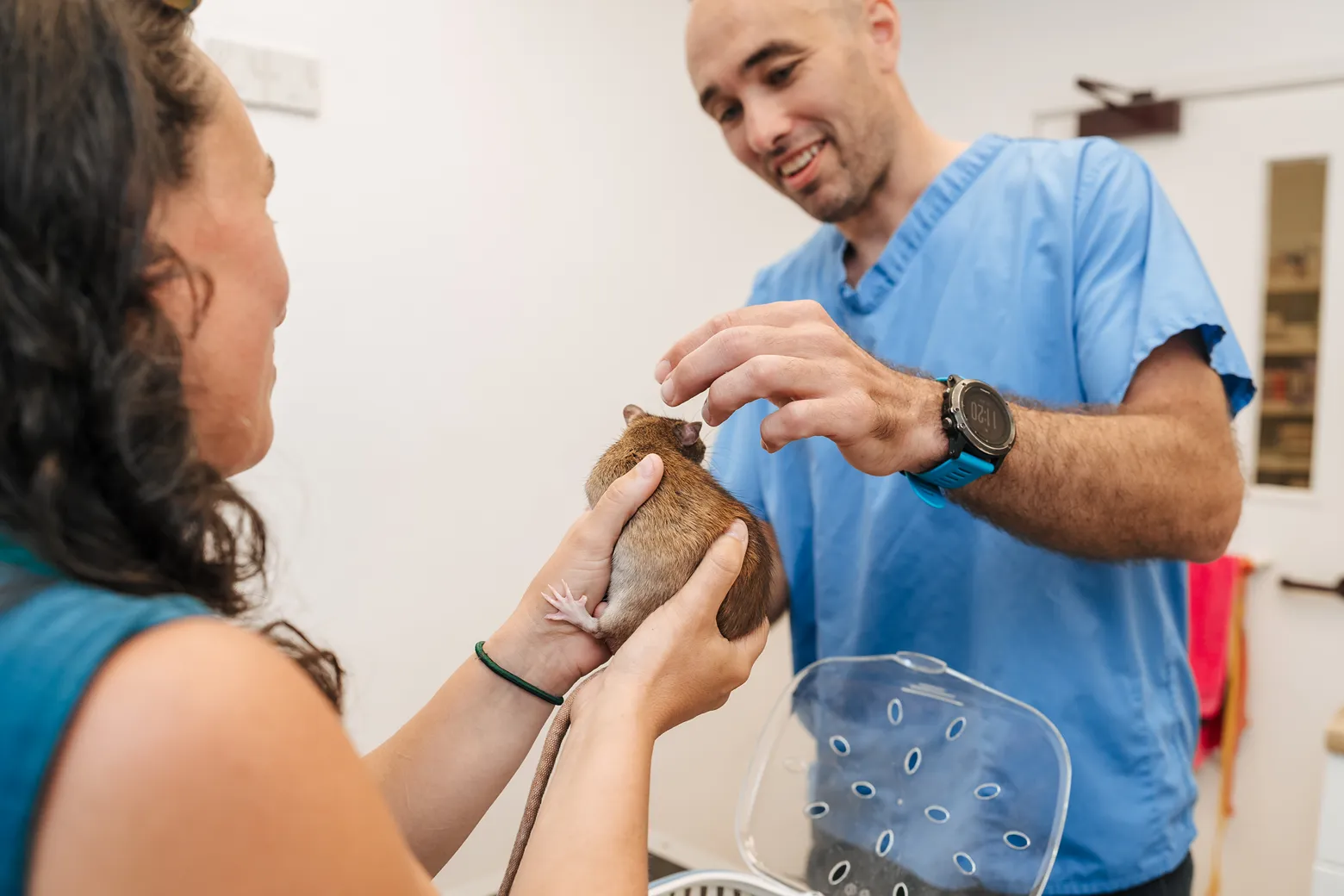
Yes. Our nurses are experienced with a range of species beyond dogs and cats. If you have a rabbit, guinea pig or other small animal that needs a weight check or nail clip, get in touch and we can advise on the most appropriate type of appointment.