

.webp)
Found a Tick on Your Dog? Here’s What We Want Stroud Owners to Know
Dr Naomi Eaton regularly advises dog owners across Stroud and Stonehouse on parasite prevention, tick removal and keeping pets safe during countryside walks.
Your dog doesn’t need to go far to pick up a tick
If you’ve ever finished a dog walk around Stroud or Stonehouse, come home, and noticed a small lump on your dog’s skin, you may have wondered…
…is that a tick?
When you think of ticks, you might picture remote countryside walks, muddy boots and dogs charging through fields. But the reality is that your dog can pick one up much closer to home.
Ticks on dogs in Gloucestershire are not just a concern for owners who enjoy long countryside hikes, they can also be picked up during everyday walks around Stroud, Stonehouse and the surrounding Cotswold countryside.
At Bowbridge Vets, we know how much dogs mean to their families. We also know that finding a tick can be worrying, especially if you are unsure what to do next.
The good news is that knowing where ticks are found, how to check your dog and how to remove them safely can make all the difference.
Why ticks are a concern for Stroud and Stonehouse dog owners
Ticks are tiny parasites that attach themselves to animals (and occasionally people) to feed on blood. Unlike fleas, they do not jump or fly. Instead, they wait on grass, plants and vegetation, attaching themselves when a dog brushes past.
This means your dog does not need to be exploring deep countryside to pick one up.
Many of us are lucky to have beautiful walking routes around Stroud, Stonehouse and the surrounding Cotswolds. However, it is worth being aware of the types of places where ticks are more likely to be found, including:
- long grass
- woodland edges
- leaf litter
- areas visited by wildlife
- overgrown vegetation
One thing we regularly hear from dog owners at Bowbridge Vets is:
“We only walk locally, I didn’t think my dog could get ticks.”
The reality is that ticks are not only found on remote hiking trails. They can be present anywhere dogs come into contact with suitable vegetation, which is why a quick check after walks is such a useful habit.
The Stroud and Stonehouse walks where your dog could pick up a tick
We are incredibly fortunate to have some fantastic dog walking locations nearby. From open commons to woodland trails, there are plenty of opportunities for dogs to explore, but these environments can provide the type of conditions where ticks may be present.
Minchinhampton Common
A favourite walking spot for many local dog owners, Minchinhampton Common offers open grassland, wildlife and plenty of areas for dogs to explore.
When walking through longer grass or brushing past vegetation, it is worth giving your dog a quick tick check afterwards, especially if they enjoy running off the path.
Rodborough Common
The mixture of grassland, scrub and woodland edges around Rodborough Common creates the type of environment where ticks can thrive.
Pay particular attention after walks where your dog has been exploring undergrowth or areas with dense vegetation.
Woodchester Park
Woodland walks can be particularly important places to check your dog after visiting. Ticks can sit in leaf litter and vegetation, waiting for a passing host.
A relaxing woodland walk can still end with a tick check as part of your normal routine.
Local countryside paths around Stonehouse and the Stroud Valleys
Ticks do not only live in famous walking locations. Smaller countryside paths, field edges and green spaces around Stonehouse and the wider Stroud area can also provide opportunities for ticks to attach.
Our key takeaway: Wherever your dog’s adventures take them, a quick check when you get home is a simple habit that can help you spot ticks early and give you peace of mind.
The tick you missed could be much smaller than you expect
One reason ticks on dogs can be difficult to spot is their size.
Before feeding, some ticks can be very small. They can sometimes be around the size of a sesame seed or smaller. This means they can easily be missed, particularly on dogs with thick, dark or curly coats.
Ticks are often found in places owners do not immediately check, including:
- around the ears
- under collars
- between toes
- around the face and eyelids
- armpits
- groin area
After a walk, do not just look over the obvious areas. Use your hands to feel through your dog’s coat as well.
Found a tick on your dog? Avoid these common mistakes
Finding a tick on your dog can be worrying, especially when you want to remove it quickly. However, when faced with a tiny parasite attached to your pet, it is easy to panic and try a method that could make removal more difficult.
We often hear from owners who have reached for whatever they have to hand. While this always comes from wanting to help their dog, some approaches can increase the risk of leaving parts of the tick behind or causing unnecessary irritation.
Try to avoid:
- Pulling the tick off with your fingers
- Squeezing or crushing the body of the tick
- Applying oils, creams or household products
- Burning or irritating the tick to make it release
The safest approach is to use a proper tick removal tool and remove the tick carefully and steadily.
Not sure how to remove a tick? We’re happy to show you
If you have never removed a tick before, you do not have to figure it out alone.
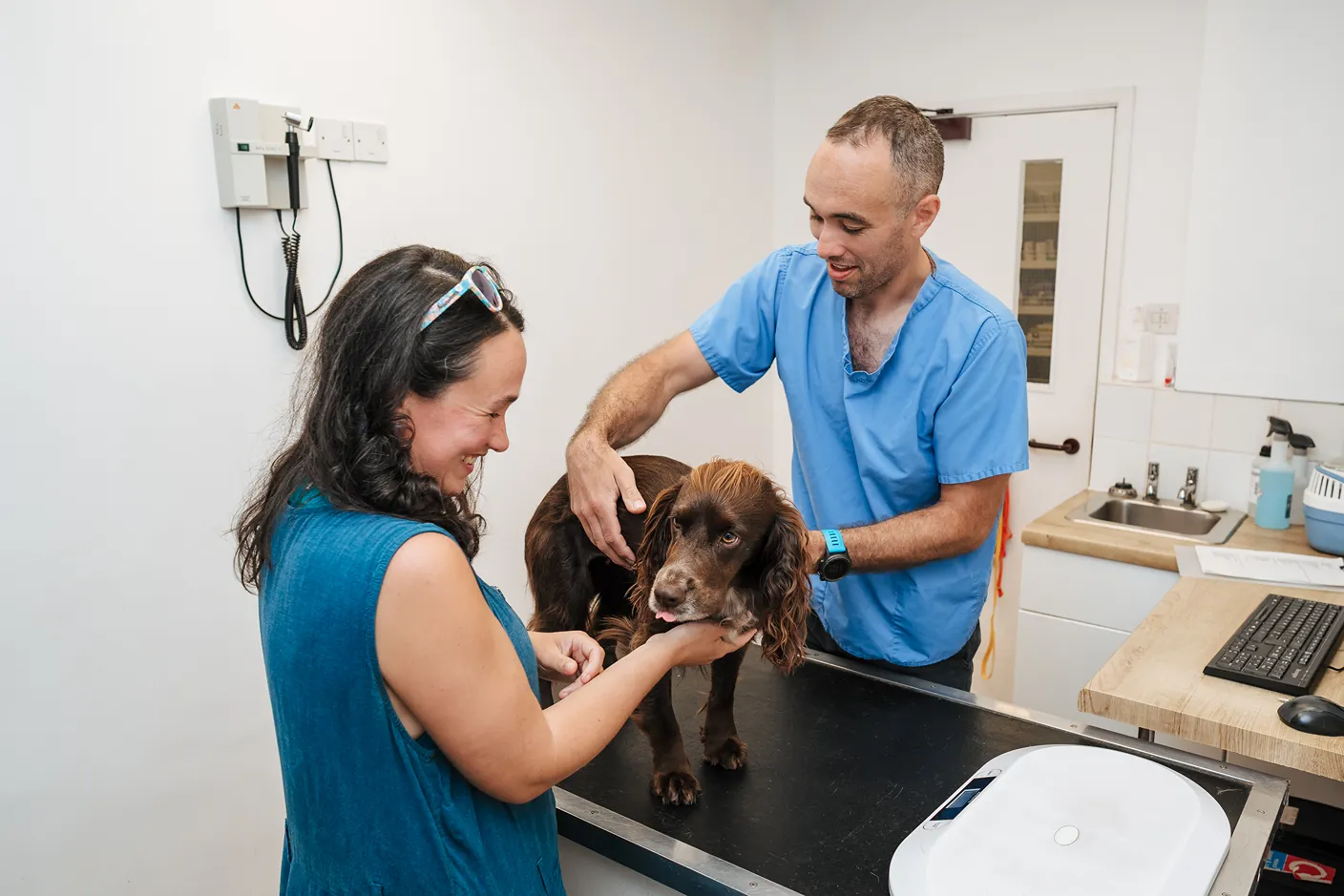
At Bowbridge Vets, we are always happy to show you how to use a tick removal tool correctly. A quick demonstration can help you feel much more prepared, including:
- where to position the tick remover
- how to remove the tick safely
- what to check once the tick has been removed
- when it is best to contact your vet for further advice
Once you know the technique, removing a tick becomes much less daunting.
Many owners are surprised by how small ticks can be, particularly before they have fed. If you find a small lump on your dog and you are unsure whether it is a tick, it is always better to ask for advice rather than ignore it.
Check carefully, remove safely, and ask for help if you are unsure.
If you would like us to show you the best way to use a tick remover, pop into Bowbridge Vets or give our team a call. We would much rather help you feel prepared than have you worry at home.
How to safely check your dog after a walk
A tick check does not need to become a big task. Adding it into your normal routine can take less than a minute.
The Bowbridge tick check
1. Run your hands over your dog’s coat - Feel for unusual bumps or small lumps that were not there before.
2. Check the head and ears - Ticks often attach in areas that are warm and protected.
3. Look under the collar - This is an easy area to overlook.
4. Check paws and between toes - Dogs that run through grass may pick up ticks around their feet.
5. Check hidden areas - Remember the armpits, tummy and groin area.
When are ticks on dogs most active?
Many owners put ticks out of their mind once summer ends, but the risk does not disappear completely.
Ticks can be active throughout the year when conditions are suitable, particularly during mild, damp weather.
Spring: Tick activity starts to increase
As temperatures rise and dogs spend more time outdoors, ticks become more active. This is a good time to get into the habit of checking your dog after walks.
Summer: More time outdoors means more opportunities
Long grass, woodland walks and countryside adventures can all increase the chance of your dog coming into contact with ticks.
Autumn: A season many owners overlook
Autumn is an important time to stay vigilant. Fallen leaves, damp ground and increased wildlife activity can create ideal conditions for ticks.
Winter: Lower risk, but not no risk
Cold weather can reduce tick activity, but milder winters mean ticks may still be present. A tick check is still worthwhile after countryside walks.
Could a tick bite make my dog ill?
The good news is that most tick bites do not lead to illness. However, because ticks can carry infections such as Lyme disease, it is important to know what signs to look out for and when to speak to your vet.
Symptoms to look out for after a tick bite
- tiredness or lethargy
- reduced appetite
- stiffness or discomfort
- fever
- swollen glands
- changes in behaviour
If your dog develops unusual symptoms after a tick bite, contact us today for advice.
Prevention is better than dealing with a tick later
The best way to reduce the risk of tick problems is through a combination of regular checks after walks and suitable tick prevention for dogs recommended by our vets.
Every dog is different, so the right approach will depend on their lifestyle, including where they walk, how often they are outdoors and the areas they explore.
Understanding where your dog may be exposed to ticks, and acting quickly if you find one, can help keep your pet protected.
At Bowbridge Vets, we can advise you on the most suitable tick prevention options for your dog and help you choose an approach that fits their individual needs and routine.
Frequently asked questions about ticks in dogs
Can dogs get ticks from local walks around Stroud?
Yes. Dogs can pick up ticks anywhere they brush against vegetation where ticks are present, including grassland, woodland edges and countryside paths.
How do I know if my dog has a tick?
Ticks can feel like a small lump on your dog’s skin. They are often found around the ears, collar area, paws, armpits and other less obvious areas.
How quickly should I remove a tick from my dog?
If you find a tick on your dog, it is best to remove it as soon as possible using a suitable tick removal tool. If you are unsure how to remove it safely, contact Bowbridge Vets for advice.
Should I remove a tick myself?
If you have the right tick removal tool and feel confident, you can remove a tick carefully. If you are unsure, Bowbridge Vets can show you how to do it safely.
What should I do if I cannot remove a tick?
Contact our veterinary practice for advice. It is better to ask than risk causing irritation or leaving the tick behind.
Can ticks be a problem in winter?
Yes. While tick activity is often lower in colder months, mild winters mean ticks can still be encountered.
Our advice for Stroud and Stonehouse dog owners
We are lucky to live in an area where dogs can enjoy incredible walks across the Cotswolds and surrounding countryside. We would never want ticks to stop you and your dog enjoying those adventures.
Instead, we recommend making one simple habit part of every walk:
Walk. Explore. Check.
A quick tick check when you get home could help you spot a problem early and give you peace of mind.
If you have found a tick on your dog and are unsure what to do next, don’t worry, our team is here to help. Whether you need advice on removal, prevention or simply reassurance, we’re happy to guide you.