


Winter Pet Care Guide for Dogs & Cats
Discover how to keep dogs and cats safe in cold weather with Bowbridge Vets' winter pet care guide. Find out more and keep your pets safe this winter.
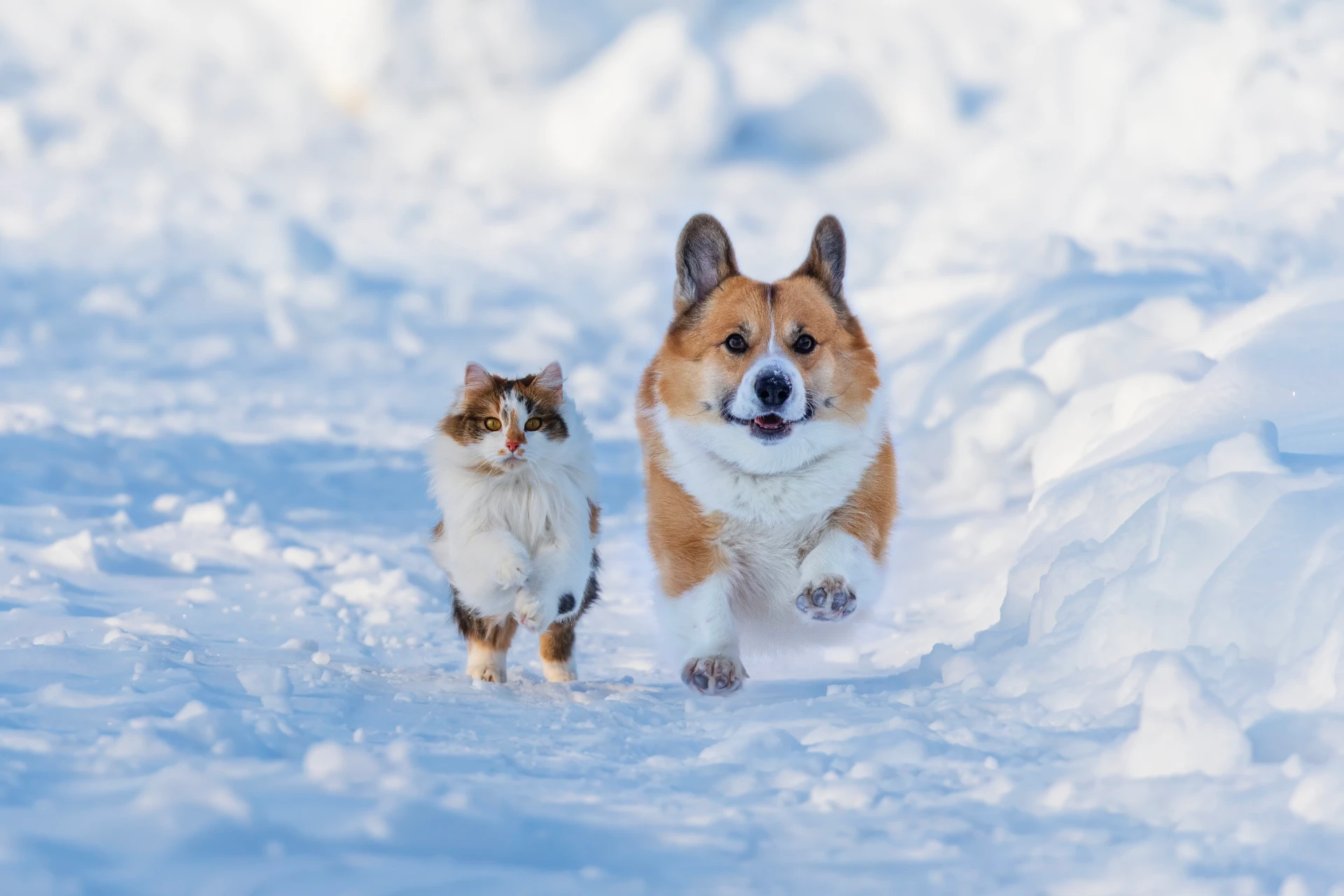
With winter fast approaching, it means the cosy season is nearly here!
Christmas decorations, snowy walks and festive celebrations are all things we look forward to, but they can all bring a few extra challenges for our pets.
As routines change with the colder weather, we’ve created this guide to help you understand what might affect your pet and how to keep them safe throughout the season.
There's no need to worry unnecessarily as winter is a wonderful time to enjoy with your pets!
1. Adapting to changing winter weather
Shorter days and longer nights can make it harder to fit outdoor adventures into the day. Add in the drop in temperature and your pet’s usual routine may shift slightly.
Clocks going backwards
Those frosty dark mornings and evenings mean visibility is going to be reduced.
Make sure your dog wears a reflective collar, lead or coat. Don’t forget to wear reflective clothing too, so that drivers and cyclists can spot you easier in the dark.
Stick to familiar, well-lit paths and keep your dog on a lead near roads and in unfamiliar areas.
What temperatures are too cold for dogs?
When temperatures drop below 0°C, it may be too cold for your dog.
We’d recommend sticking to shorter walks in freezing weather to avoid spending too long out in the cold.
Small, short-haired and senior dogs will feel the cold more than other dogs, so keep this in mind when going out for their daily exercise.
Damp fur can also make the cold feel even more uncomfortable. Think about how miserable it feels to get caught in the rain and get soaked through! Your dog feels the effects of being wet and cold too, so try to keep them warm and dry wherever possible.
How do you know if your dog is cold?
Your dog may be feeling cold if you notice them shivering or trying to cut their walk short and head home.
In freezing weather, prolonged exposure to the cold can also lead to frostbite (yes, even in the UK!)
Dogs are most vulnerable to frostbite where they have less fur or in areas where there’s limited blood supply such as their ear tips, paws, nose and tail.
If your dog becomes weak, confused, unusually sleepy or unresponsive after being out in the cold, contact us immediately. These can be signs of hypothermia and it requires urgent veterinary attention.
Does your dog need a winter coat?
Yes if your dog is small, lean, short-haired or elderly, we’d recommend getting them a waterproof dog coat to give them an extra layer.
The fit is really important when it comes to choosing a dog coat. Make sure you can fit two fingers under the neck and under the belly strap too. It’s important it doesn't restrict their ability to walk and size up if they’re in between sizes.
Once you get back inside, make sure you remove the coat as soon as possible. A damp dog coat can trap moisture against the skin and cause irritation.
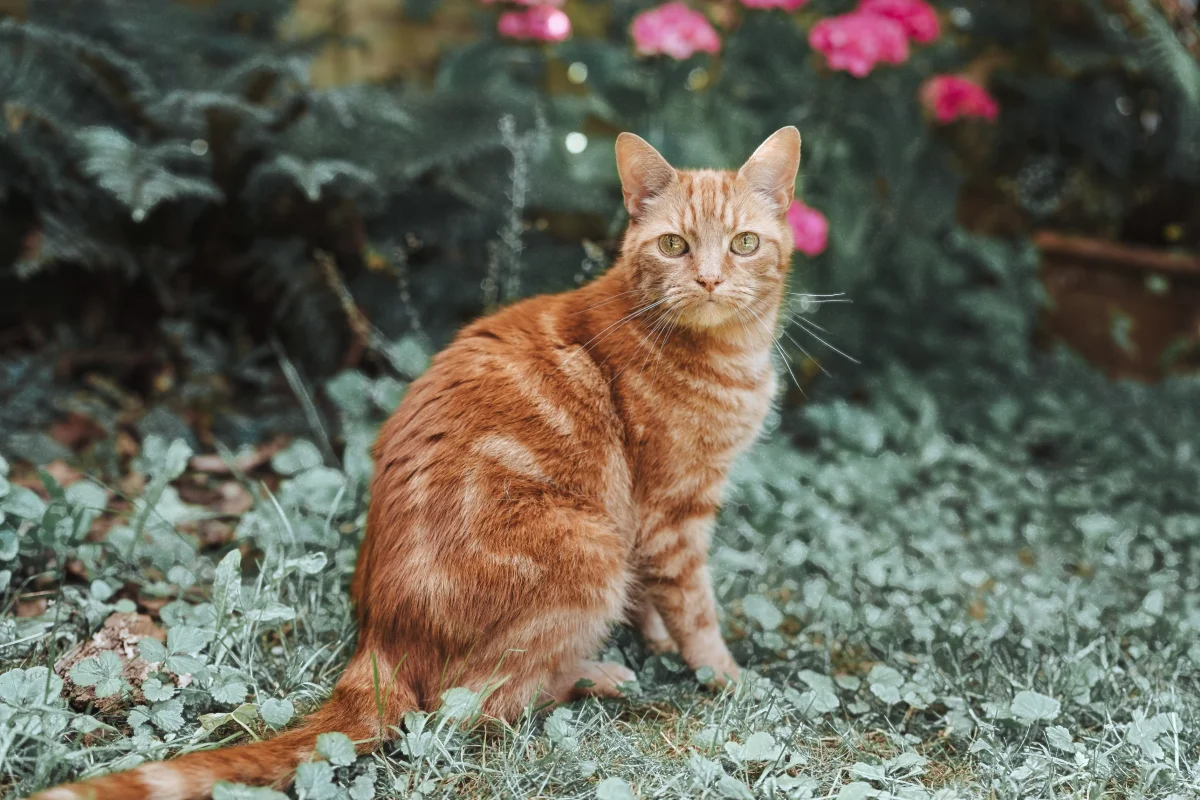
Can cats get cold outside in winter?
Yes, cats can feel the cold, especially when they're young, elderly or hairless. Cats develop a thick winter coat to help with the cold but they still need extra support to stay warm.
In your garden, create a sheltered space that's protected from the wind and rain.Check cat flaps regularly to make sure snow or ice hasn’t blocked them, and keep an indoor litter tray available.
Provide cosy sleeping spots away from draughts and hot radiators. As we get into the depths of winter it's best to encourage them to stay indoors at night and let them do all their exploring in the daytime.
Ice, snow and rain
Winter walks can expose pets to hazards they can step in, lick or drink.
2. Festive fun isn't always pet-friendly
Christmas decorations, festive food and other seasonal delights can be tempting for our curious pets.
The table below highlights some common hazards over winter.
This should be taken as a guide only. The risks of each hazard can vary depending on the amount consumed, your pet’s size and the symptoms they’re displaying.
Please don't wait for symptoms or try to make them vomit without our advice.
If you think your pet has eaten something they shouldn't, get in touch with our team as soon as possible. If possible, keep the packaging and bring it in to us, so we can identify the cause and recommend the best treatment.
3. Winter weight gain
The winter weather means walks are short and outdoor play reduces. Even though exercise is reduced, our pets continue to eat the same as they did in summer. This can mean a gradual weight gain.
Weight gain in pets can cause a strain on their joints, and can increase the risk of other health problems.
How to check if your pet is overweight this winter
You should be able to feel your pet's ribs without pressing hard, and they should have a visible waist when viewed from above. From the side, their tummy should slope upwards towards their hind legs rather than hanging down.
If you're unsure, book a pet weight consultation with one of our vet nurses. We can assess your pet's body condition and help you support your dog's diet.
Bowbridge Bite: Weigh your pet regularly. Small changes are easier to address before they become a bigger problem. Our pet scales are available in the weighing room, so you're welcome to pop in during opening hours to check your pet's weight.
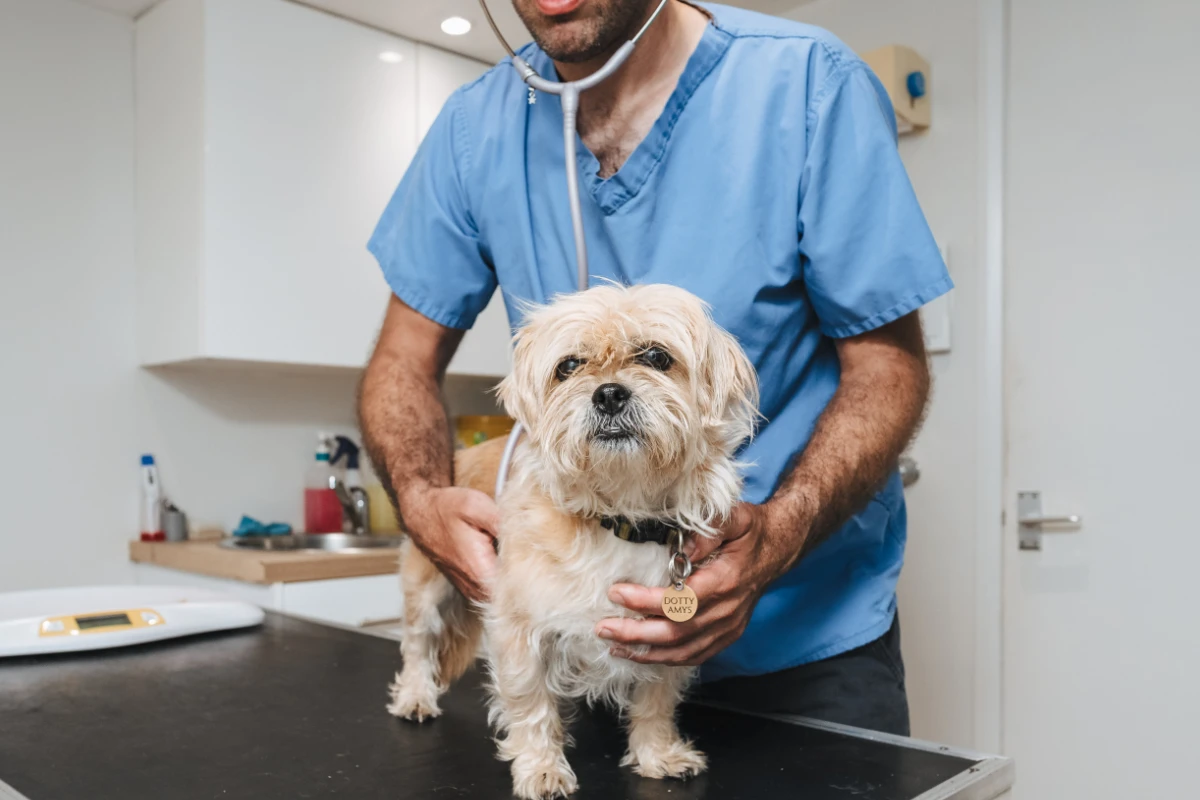
4. Looking out for winter health problems
Changes in routine, infections and cold or damp conditions over winter can aggravate existing health problems in your pets.
Arthritis and joint pain
Cold weather and changes in activity can make stiffness more noticeable in pets with arthritis.
Keep beds warm and draught-free, use non-slip flooring and encourage gentle, regular movement.
Dry, itchy skin and winter grooming
Cold winds, central heating and damp coats can contribute to skin irritation.
Brush your pet regularly to prevent matting, avoid excessive bathing and dry them thoroughly after wet walks.
Fleas and ticks don't disappear in winter
Fleas can survive in warm homes all year round, while ticks may remain active during milder winter weather.
Continue your pet’s recommended parasite prevention and check their coat after every walk.
Bowbridge Bite: Never use a dog flea treatment on your cat unless it’s specifically labelled as safe for cats. Some dog treatments contain permethrin, which is highly toxic to cats.
5. Helping your pet through winter anxiety
Winter can bring excited children, new decorations, busy gatherings and loud noises that can all leave pets feeling anxious.
Here’s some of our top tips to help your pet feel more comfortable:
- Create a quiet retreat where your pet can rest.
- Don't force interactions, allow your pet to approach visitors in their own time.
- Teach children not to chase, crowd or disturb your pet.
- Reduce noise by closing curtains during fireworks and secure doors and gates.
- Keep pets occupied indoors with puzzle feeders and scent games.
If your dog is hiding, panting, or their body language has changed, it may be that they’re struggling with anxiety.
Supporting your pet’s winter wellbeing
With good education and a keen eye for any noticeable changes, you can help your pet enjoy the colder months comfortably and safely.
If you're concerned about your pet or need advice this winter, we're here to help.